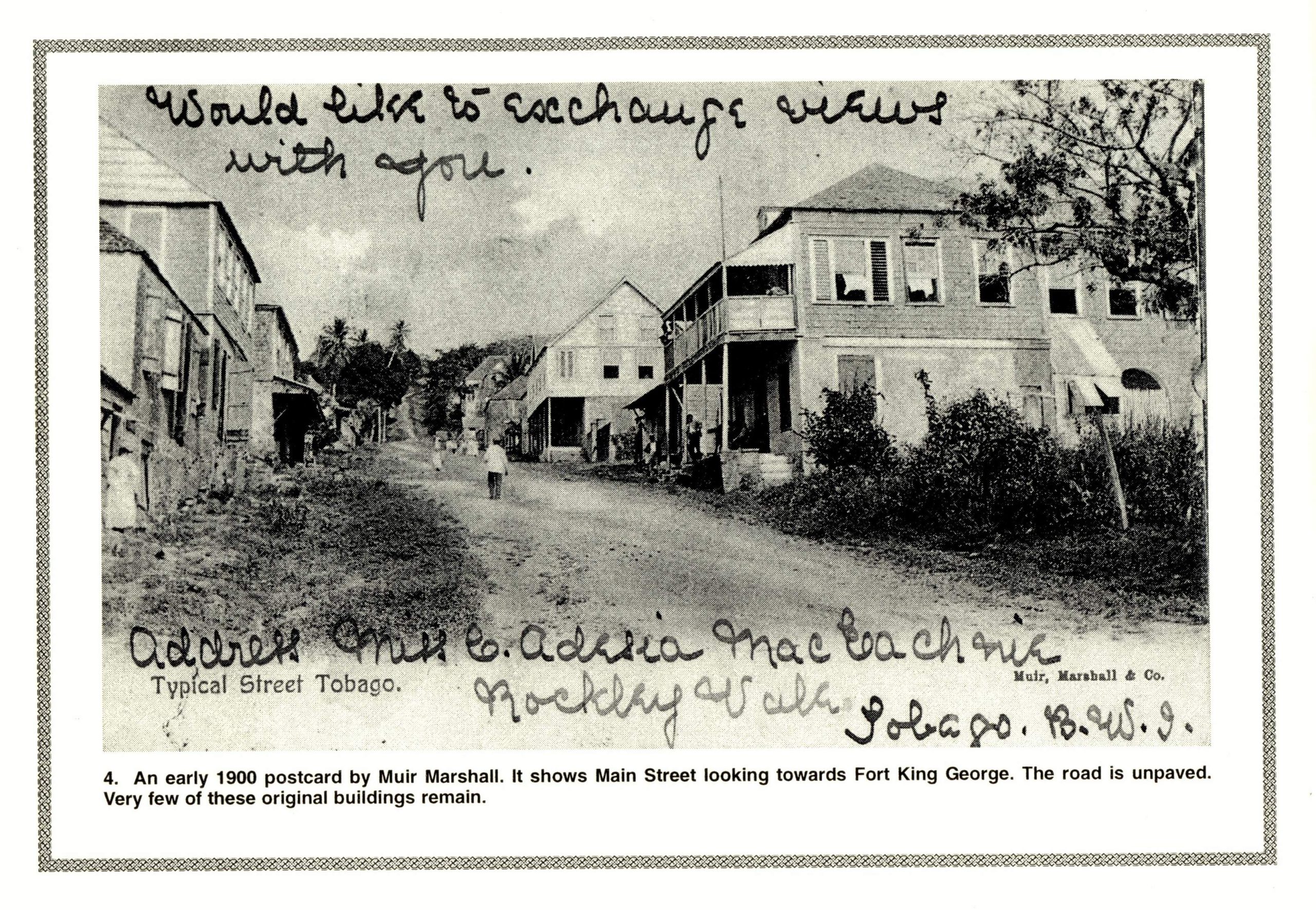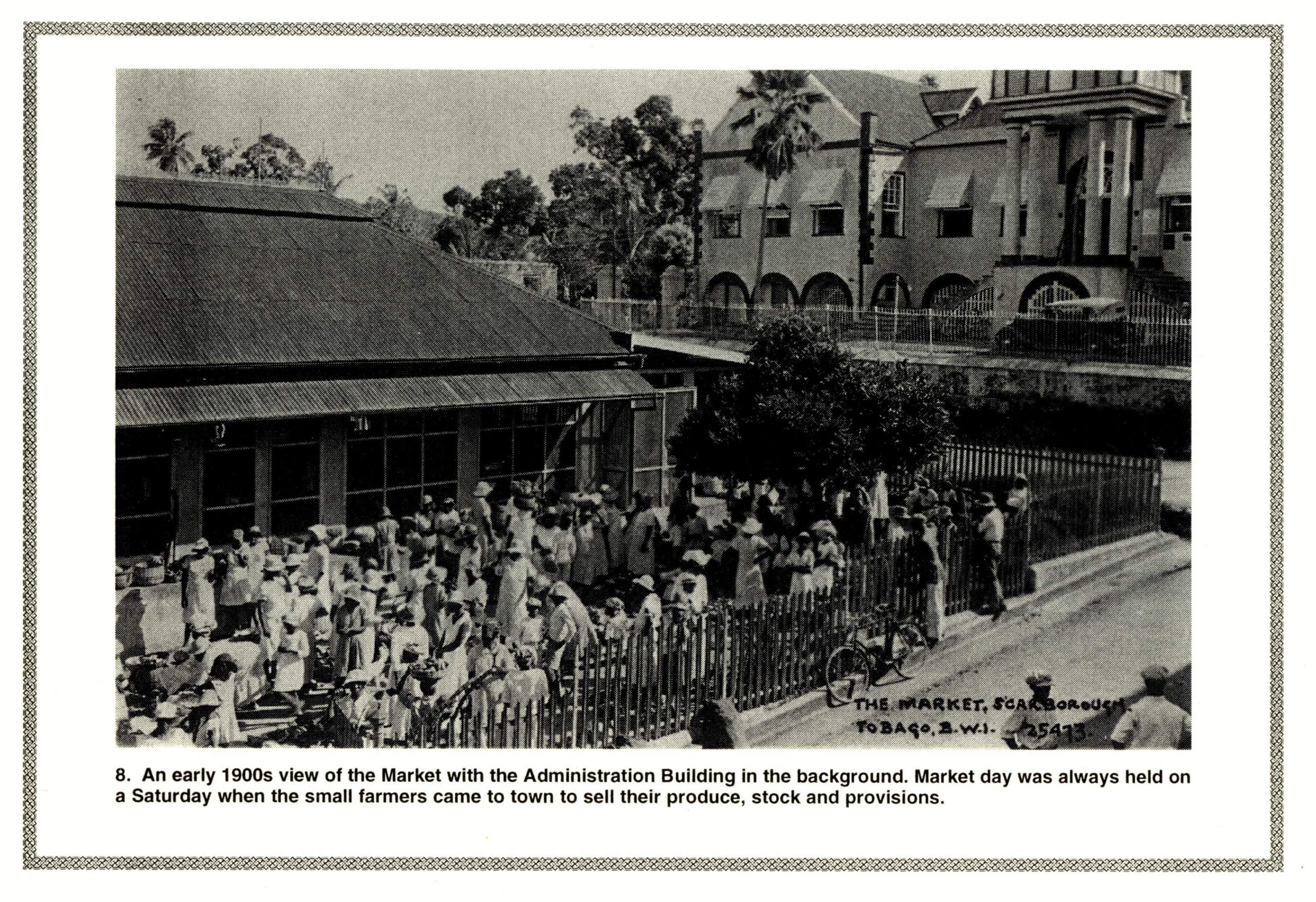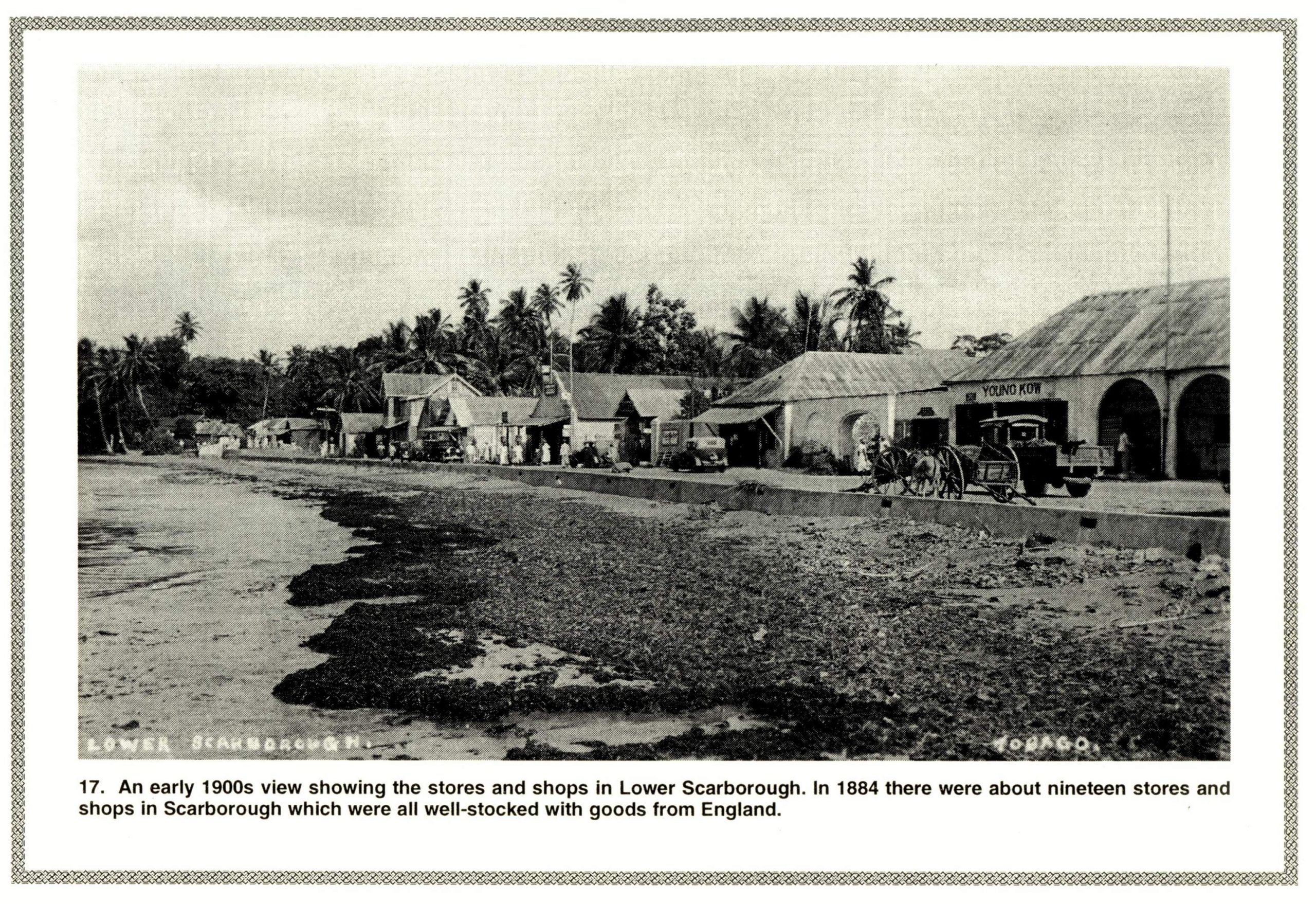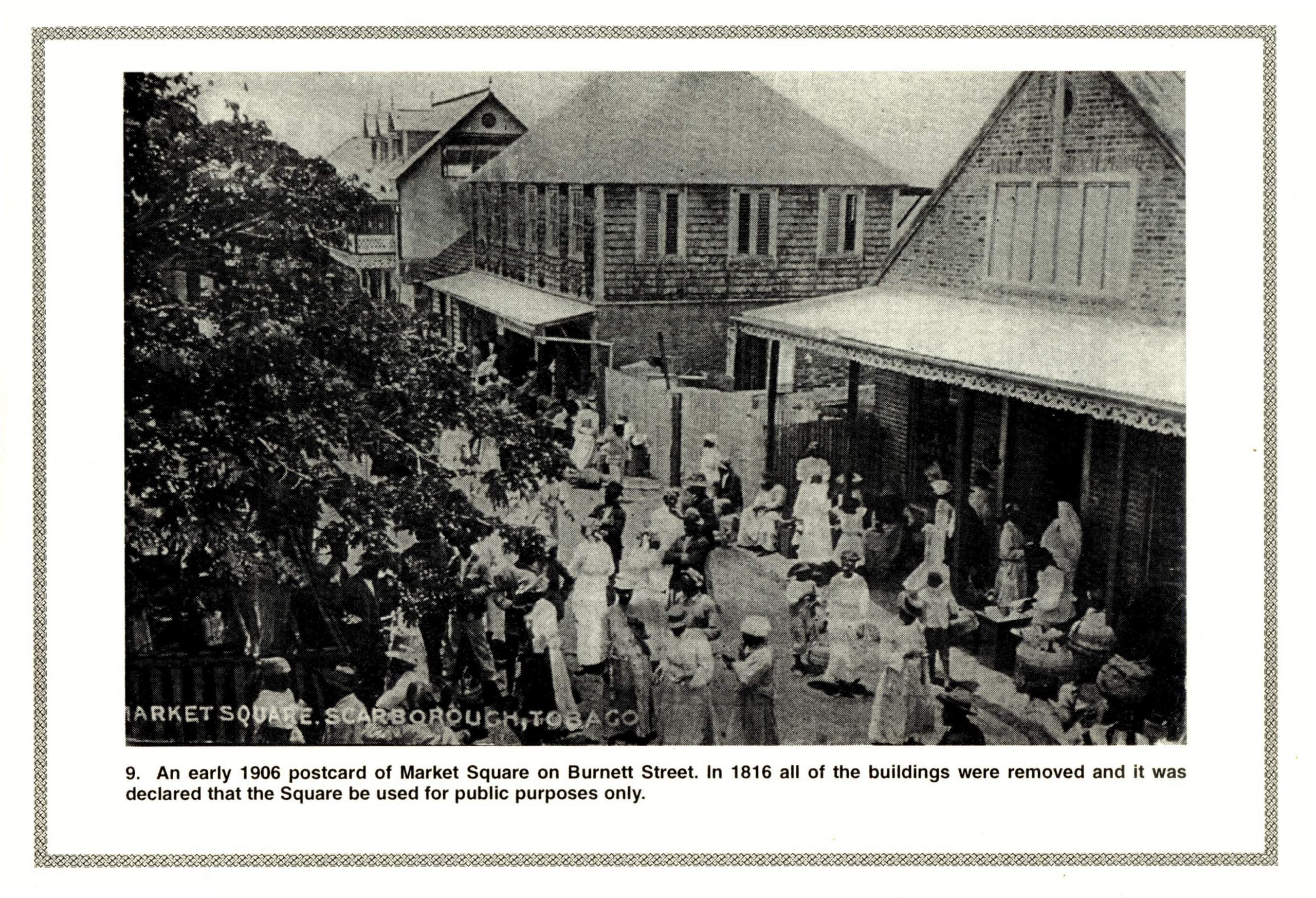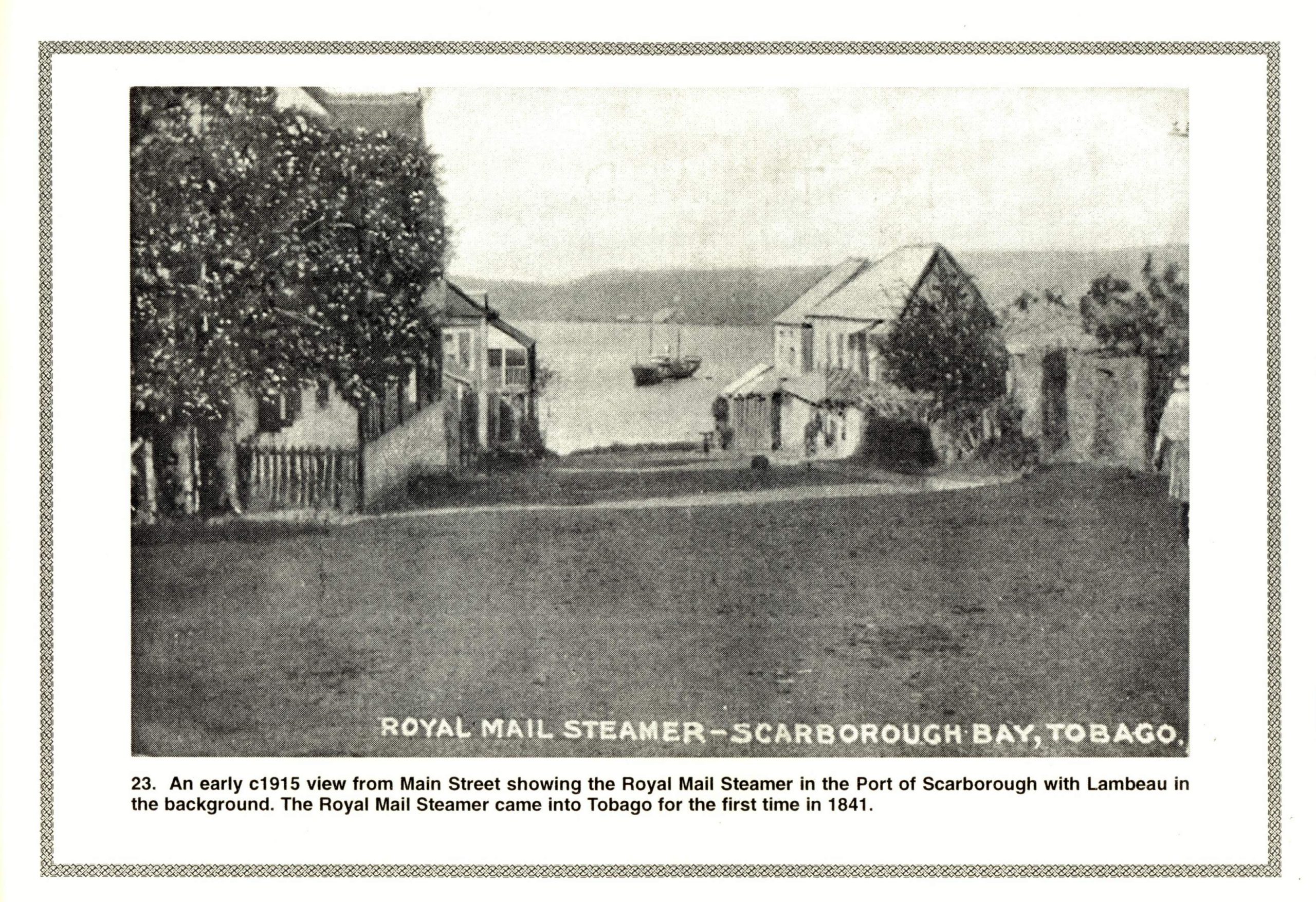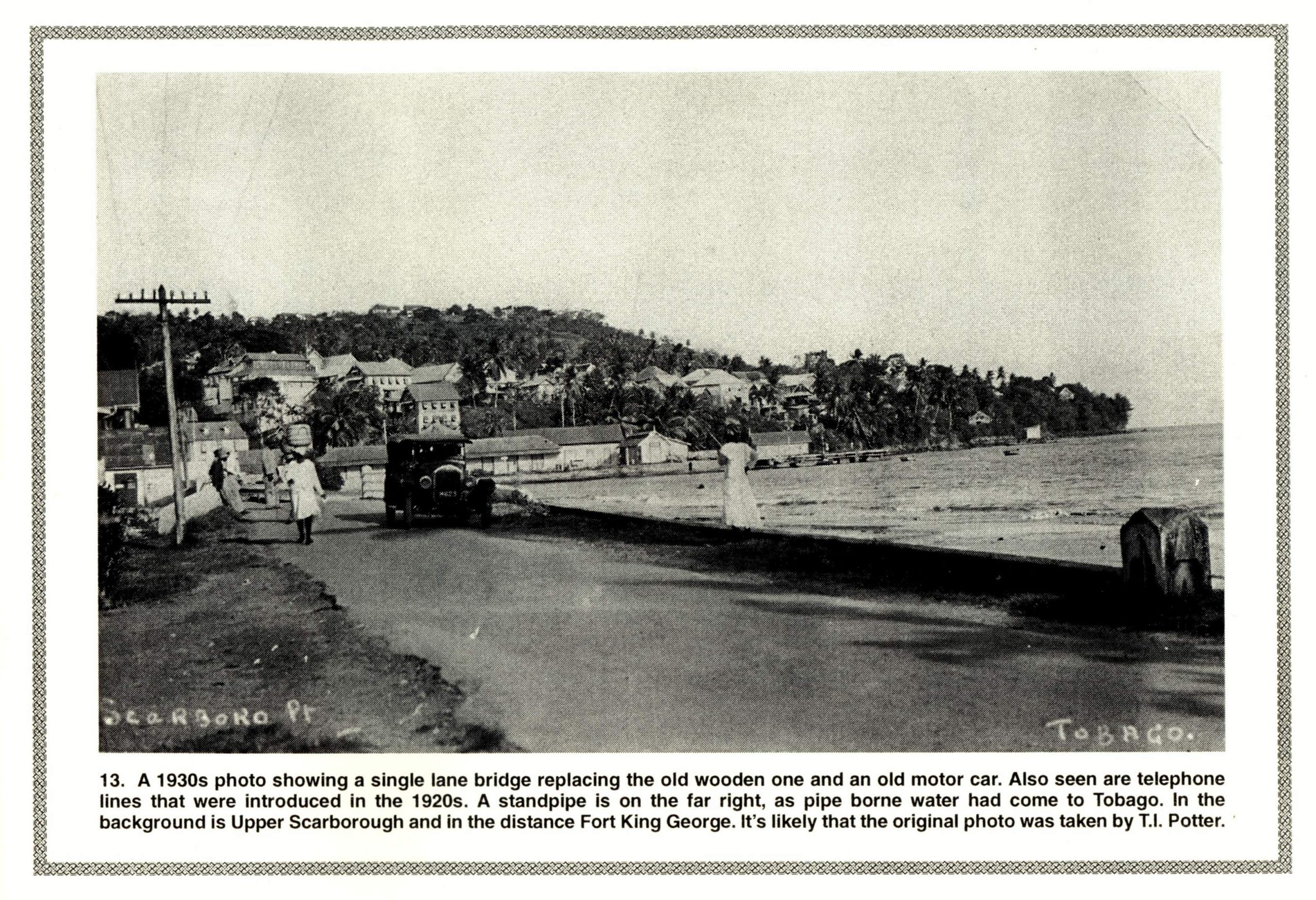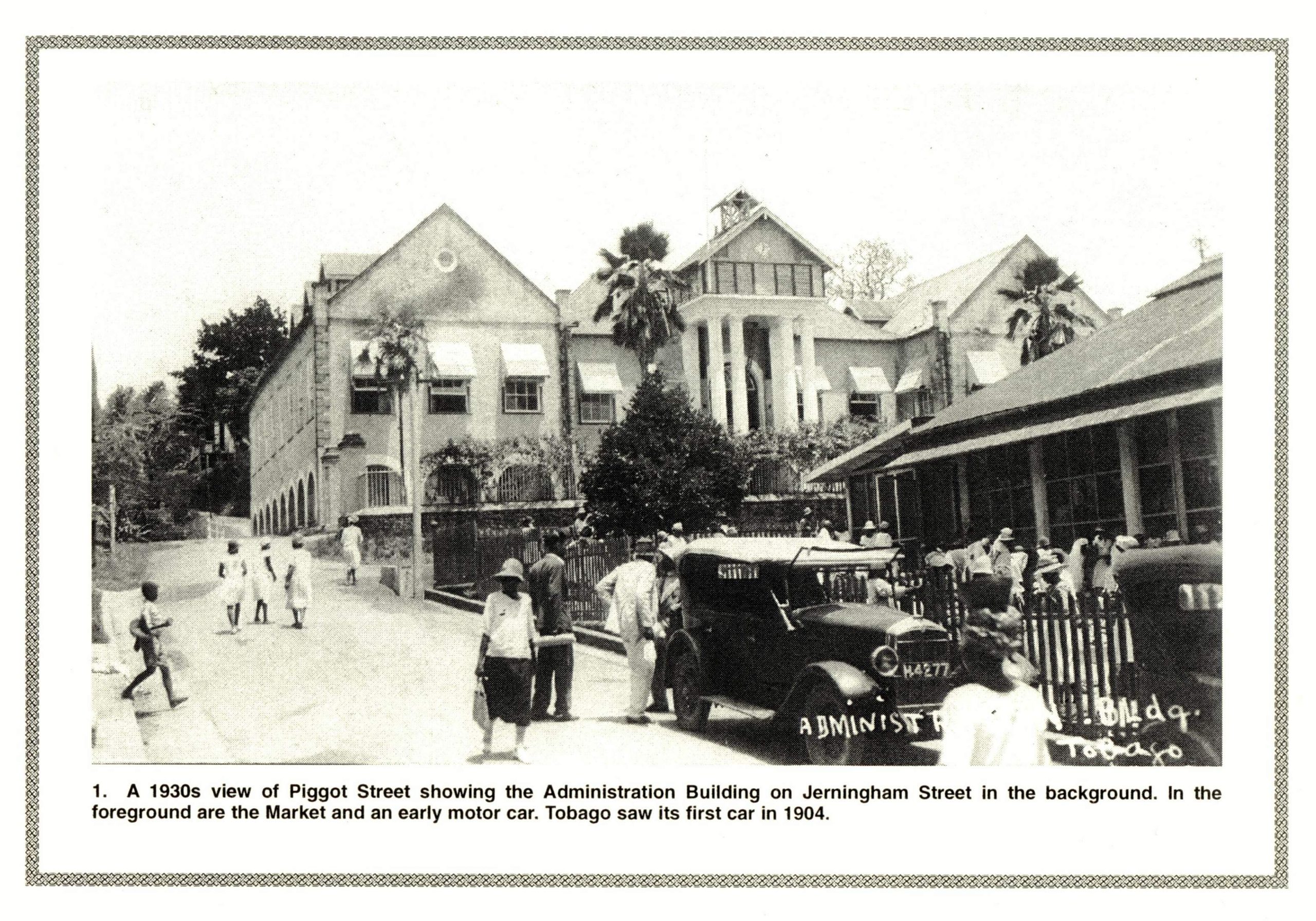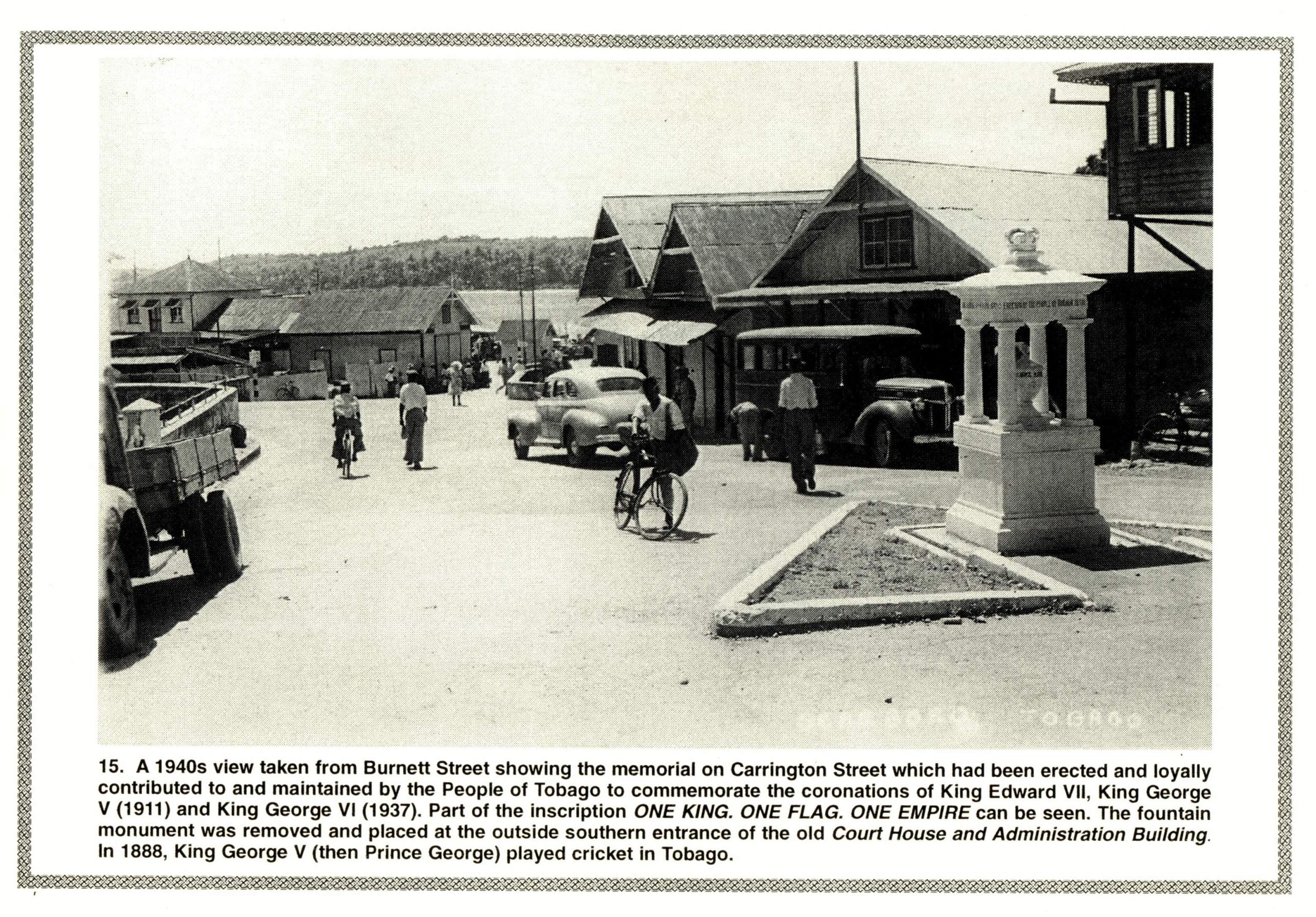
Discover Tobago’s unique documentary heritage at the Tobago Archives. With over 200 years of original archival records lodged in our storage vault, our unparalleled collection contains many stories about Tobago’s history.
There are thousands of archival records in our collection, including manuscripts, correspondence, journals, registers, account books, meeting minutes, digital photographs, maps, government publications and historic newspapers.
The collection is particularly strong on subjects related to British colonialism, sugar cultivation and exports, enslavement, administration of justice, the unification of Trinidad and Tobago and the Tobago internal self-governance movement. A treasure trove for diverse researchers, records in our collection can be used to a lesser extent, to trace family history, land and plantation estate ownership and to gain a better understanding of the Tobagonian cultural and societal practices, economy and governance systems of yesteryears.
The core of our collection was created in the eighteenth and twentieth centuries, during the British colonization of Tobago. We also have records which were created during the French occupation of the island.
The physical holdings contain over 7,000 items and documents, and over 2.5 gigabytes of digitized records beginning in the late 18th century. Researchers can gain access to a wide array of archival material such as:
Administration of justice records | Correspondence | Gazettes | Laws | Maps | Newspapers | Registers |
Censuses | Digital images | Journals | Manuscripts | Minutes | Reports | & More |
SIGNIFICANT COLLECTIONS
The most significant collections include:
- Tobago Legislative Council Minutes, 1794-1888
- Tobago House of Assembly Minutes, 1794-1869
- Tobago Slave Registers, 1819-1832
- Tobago Blue Books, 1839-1909
- Dr J.D. Elder Papers, ca.1955-1989
We offer services to help you access and use our archival collection.
Reference
Staff are available to assist you with conducting your research, find answers to your questions and help you in using our collections, finding aids and other resources. Researchers can make their request by visiting the Archives’ reference area or contacting us via telephone or email. We welcome visits from historians, genealogical researchers, cultural producers, writers and other researchers.
Outreach
Our outreach activities target different constituencies of users such as students, scholars, and the general community. We aim to raise awareness of the existence of the Archives and to foster a greater appreciation of our history and documentary heritage. Outreach activities include in-house exhibitions, tours, open houses, poster displays, social media postings, online blogs, talks and instructional sessions. The records are also highlighted through the production of publications such as brochures, guidelines and booklets.
Reproduction
The Tobago Archives offer reproduction services in two main formats: photocopies and digital scans. Copying of records will be done by Archives staff as time permits, depending on physical condition or format of the record, and if the binding is sturdy. A small fee is charged for photocopies.
Appointments
Due to space limitations, appointments are advised. This will also allow staff to expedite your research visit and ensure the archives you wish to consult are available for research. To make an appointment, researchers should contact the Archives at least TWO working days before you wish to visit.
Research Hours
The Archives is open 8:30 AM-4:00 pm, Monday-Friday, with the exception of public holidays.
Please note that the Archives closes promptly at 4:00 pm, therefore, the last record request must be submitted by 3:30 pm.
Contact Us
Email: tobagoarchives.tls@gmail.com
Phone: 868-639-2256 (ext. 1205/1220)
Tobago Slave Registers
- Annual Returns of Plantation Slaves, 1819-1834 & Registry of Annual Returns of Unattached Slaves, Tobago, 1819-1832
Map of the island of Tobago, 1779
- A Map of the Island of Tobago, drawn from an Actual Survey, by Thomas Bowen, 1779.
Census of Parishes, Tobago 1839-1841
Letter about Hurricane Flora written by Kitty Alford, 1963.
Photograph of the Old Scarborough Fire Station, circa 1950s.
The Tobago Times, 1933-1934
Frequently Asked Questions (FAQs)
In order to assist you in locating or receiving the information you need as quickly as possible, we’ve listed our most frequently asked questions with responses below.
The term ‘archives’, has multiple definitions. It can refer to:
- Records that are preserved permanently because of their enduring value, that is because of the information they contain or their value as evidence of an event or transaction. The format of these records does not matter; they can be medieval parchment documents, letters, minutes, registers, maps, architectural drawings, photographs, digital files, films, and sound recordings. They can be centuries old or just a week old.
- The place- the building or part of the building- where archival material is kept, (also called archival repository).
- An organization responsible for the care and the control of archival material. Such organizations may include governments, businesses, religious institutions and professional bodies.
Anyone with a research interest – scholars, students, amateur historians, genealogists, journalists, writers, filmmakers, teachers, pensioners, etc. can use the records of the Tobago Archives. Children under the age of sixteen, however, will not be permitted to use the archival records unless they are accompanied by an adult who will take responsibility for the safe use of the archives.
We can undertake a basic search to identify where records might be found. However, we do not conduct in-depth research on behalf of others. In-depth research usually requires an extended period of searching in multiple collections. Researchers are advised to visit the archives to perform their own research. Persons who are unable to visit the Archives to carry out their research in person should use the services of an independent professional researcher.
Not yet. We are working to have some of our digitized records available on-line soon. While some of our records are already digitized, the vast majority of archives are not digitized and must be consulted in-person at the research area of the Tobago Archives.
Possibly-We have several censuses, registers, reports, listings, and other official archival records which may contain information about your ancestors. Some of these archival records contain information such as individual names, profession or trade, country of origin, place of abode or settlement, plantation name, information about births, marriages or death, civil servant promotions or dismissals, land ownership, etc. If your relative was famous or moderately famous (e.g. a politician, civil servant) you may have greater success finding information about them.
Pens should never be used near original archival records. Despite good intentions, pens may bleed, leave marks, and cause permanent damage to records. Ink markings are hard (and in some cases, impossible) to remove from often already fragile archival material.
Pencils are much safer as unintentional marks can be erased. A pencil can be supplied if needed. Electronic devices such as laptops and tablets can also be used for note-taking.
No. Unlike Libraries, the lending of original archival records for private home research use is prohibited. Archival records may be used in the reference area by private individuals during our opening hours. In special circumstances, archival records may be loaned to responsible offices and institutions or professional societies for exhibitions.
No. Unlike Libraries, the lending of original archival records for private home research use is prohibited. Archival records may be used in the reference area by private individuals during our opening hours. In special circumstances, archival records may be loaned to responsible offices and institutions or professional societies for exhibitions.
No. Damaged or fragile records are repaired by persons who are trained in paper conservation. We do not have a trained conservator on staff and only perform minor repairs for our in-house collection.
The Archives accepts donations of records that fit into our acquisition policy.
We welcome donations of records, photographs, maps, historic newspapers, personal papers of renowned Tobago personalities, politicians, or other influential persons and other material that documents Tobago’s history. Those wishing to donate records should contact the Archives Manager at tobagoarchives.tls@gmail.com
ALL other questions…
If your question is not included, please send it to tobagoarchives.tls@gmail.com, or phone us at 868-639-2256 (ext. 1205/1220) during our opening hours.